How we work, from first message to handover
Most software projects that go wrong do so for predictable reasons: vague scope, long silences, surprise invoices and a final handover that leaves the client dependent on the developer. Our process is built to prevent each of those.
Here is exactly what happens after you contact RED SAG, what you receive at each stage, and what we need from you. It applies whether you are a business in Tiruppur or a startup in London, Toronto, Sydney or New York.
The delivery process
Twelve steps, three of them optional. Small projects move through the early steps in days; larger ones may take a few weeks to reach kick-off.
- 01
You send a message
We reply within one working day
Write to us through the website form, WhatsApp, email (info@red-sag.com) or phone. A few lines about what you want to build is enough. A developer or project lead reads it, not a sales script, and replies with first questions, a rough budget range where we can give one, and a suggested next step. Our working hours are Mon-Fri: 9AM-6PM IST.
- A written reply from a person who understands the technical side
- Honest early feedback if the idea is outside what we do well
- 02
NDA, if you want one
OptionalBefore we see anything confidential
If you ask, we sign a non-disclosure agreement before the detailed discussion. You can send your own NDA or use ours. Nothing confidential, such as business plans, designs, data samples or partner details, needs to be shared until it is signed.
- Signed mutual or one-way NDA
- Clarity on who at RED SAG will see your material
- 03
Discovery call
Usually within a few working days of first contact
A video call on Google Meet (or Zoom or Teams if you prefer) where we go through your users, the main workflows, integrations such as payment gateways or accounting tools, any compliance constraints, your deadline and your budget. We ask many questions here because unclear scope is the main cause of late, over-budget software.
- Shared understanding of the must-haves versus the nice-to-haves
- A list of open questions and any risks we can see early
- 04
Written proposal and quote
After the call, once open questions are answered
You receive a written proposal: scope described as features and screens, what is explicitly out of scope, assumptions, technology choices, timeline, team, milestones and the payment schedule. When the scope is clear enough we quote a fixed price. When it is not, we give an estimate range and suggest a paid discovery sprint or a time-and-material arrangement instead of guessing.
- Fixed-price quote or a clearly labelled estimate
- Milestones tied to things you can see working
- No obligation to go ahead
- 05
Paid discovery sprint
OptionalOptional, for larger or less certain projects
For complex products, such as lending platforms, marketplaces or anything touching regulated payment flows, a short paid sprint turns an idea into a specification: user flows, clickable wireframes, data model, integration research and a firm quote. You own every document and can take them to another team if you choose.
- Specification, wireframes and technical plan you own
- A firm quote based on real detail
- 06
Agreement and kick-off
Once you accept the proposal
We sign the agreement, which covers scope, IP transfer, confidentiality, milestones and payments. Payments are split across milestones, for example at kick-off, design sign-off, first working version and go-live; the exact split is written in your proposal. At kick-off we set up the code repository (in your account if you prefer), the project board and the communication channel, and agree who approves what.
- Signed agreement with milestone payment schedule
- Repository, project board and chat channel set up
- Named contacts on both sides
- 07
Design and build in short sprints
A demo every 1–2 weeks
Work runs in sprints of one or two weeks. At the end of each one we show you working software on a staging link, not slides, and you give feedback while changes are still cheap. Between demos you get short written updates on what was done, what is next and anything blocking us.
- Staging link you can click through at any time
- Regular written progress notes
- Early warning of risks to time or budget
- 08
Testing and your acceptance
Throughout the build, and before each milestone
Developers test their own work, and a second person tests every feature against the agreed scope on real devices and browsers. Critical logic such as payments, balances, tax calculations and permissions gets automated tests. Before a milestone is signed off, you test it yourself (user acceptance testing) and we fix what you find.
- Tested features matched to the agreed scope
- Your sign-off before milestones close
- 09
Launch
On a date agreed with you
We deploy to production, set up domains, SSL, backups, error monitoring and app store listings where relevant, and watch the system closely in the first days. For apps that replace an existing system, we plan data migration and a rollback path in advance.
- Live system with backups and monitoring switched on
- App store submissions handled with your developer accounts
- 10
Handover
At launch and final payment
You receive the full source code, all credentials and admin access, and documentation: how to set up and deploy the system, how it is structured, and how to use the admin side. Hosting, domain, app store and payment gateway accounts are in your name. Nothing is locked to us.
- Source code in a repository you control
- Credentials and account ownership transferred
- Technical and user documentation
- 11
Bug-fix period after launch
For the period agreed in your proposal
After launch there is a bug-fix period agreed in your proposal. During it, we fix defects in the work we delivered, meaning anything that does not behave as the agreed scope describes, at no extra cost. New features and changes of direction are quoted separately.
- Defects in delivered work fixed without extra charges
- 12
Support and maintenance
OptionalOptional, monthly
Most software needs ongoing care: security updates, dependency upgrades, backups, changes when a payment gateway or tax rule changes, and small improvements. You can choose a monthly maintenance plan, book hours as needed, or have your own team take over using the documentation we hand over.
- A plan that fits how much change you expect
- Freedom to move the work in-house at any time
How we stay in touch
Clear, written, and in the tools you already use. You always know who is working on your project and how to reach them.
Chat for quick questions
A shared WhatsApp group or Slack channel for day-to-day questions and quick decisions. If your team already uses Microsoft Teams, Discord or something else, we join you there.
Email for decisions
Anything that changes scope, cost or timeline is confirmed in writing by email, so there is always a clear record of what was agreed and when.
Video calls for demos
Sprint demos and planning calls on Google Meet, Zoom or Teams. We schedule them within the overlap between our working day in India and yours.
Your tools are welcome
We can work in your Jira, Trello, ClickUp, Asana or Linear board and push to your GitHub, GitLab or Bitbucket repositories, following your branching and review rules.
When your plans change
Plans change once real users see software. That is normal. What matters is that changes are visible and agreed before anyone pays for them.
Small clarifications
Details that were always implied by the agreed scope, such as a missing validation message or a label change, are simply handled as part of the work.
Real changes
If you want something new or different, we write a short change note with the effect on cost and timeline. Work on it starts only after you approve it, so the original budget never grows silently.
Swaps instead of additions
On a fixed budget you can often swap a planned feature for a new one of similar size. We tell you honestly whether a swap is like-for-like.
What we need from you
Projects move fastest when a few things are ready on the client side. None of this is complicated, but it is worth knowing up front.
- One person on your side who can make decisions and approve milestones
- Feedback on each demo, ideally within a few working days
- Content, brand assets and sample data when the plan says they are needed
- Access to third-party accounts we must integrate with (payment gateway, SMS, accounting)
- Your own accounts for hosting, domains and app stores, or permission for us to create them in your name
- Early warning of deadline changes or new priorities on your side
A real team, in a real office
These are photos of our own office in Tiruppur, not stock images. When you hire RED SAG you are working with a registered company and a team you can visit, call or meet on video, so you always know who is building your software and where to find them.
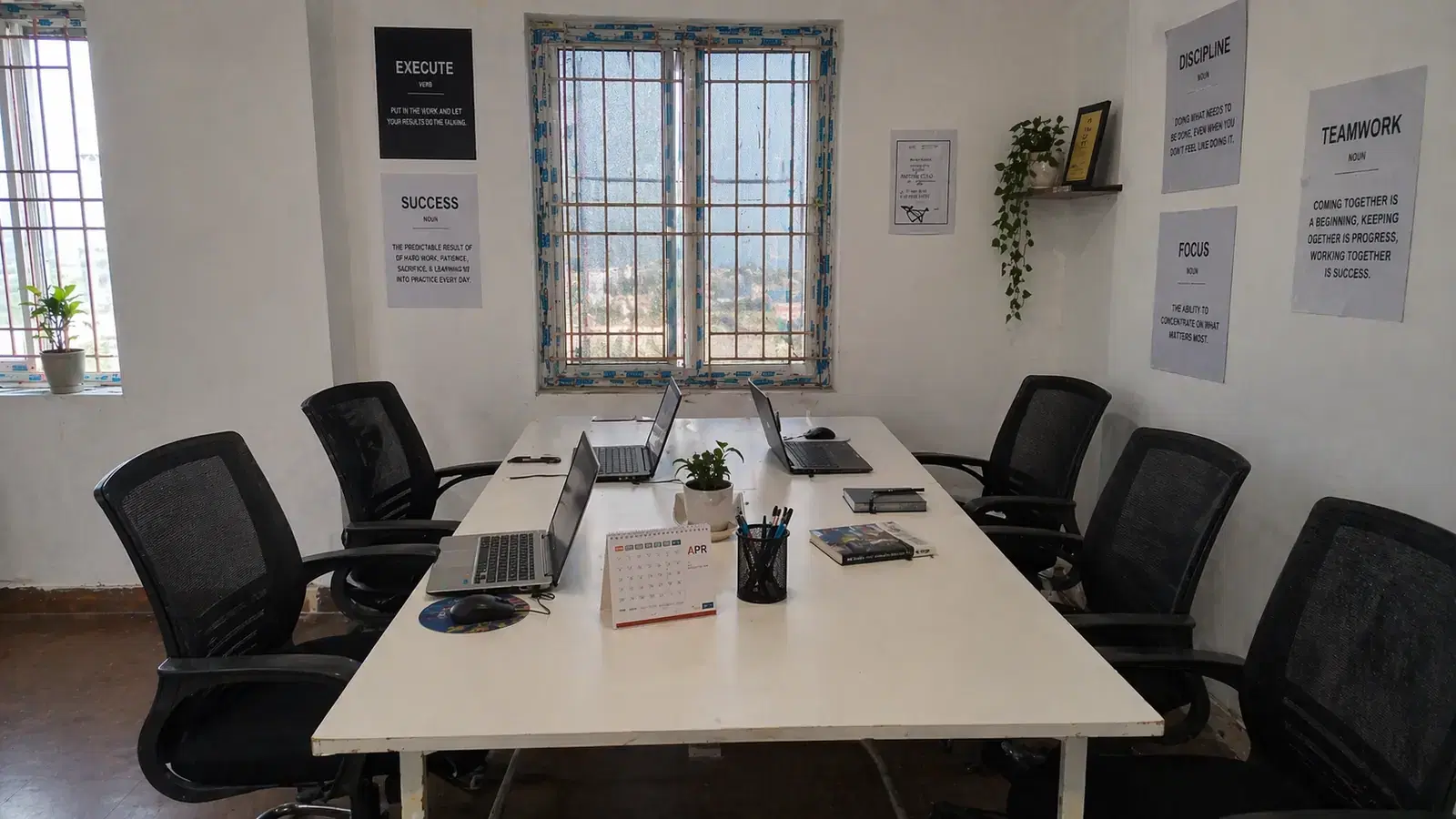
Where your project is built — our office in Arulpuram, Tiruppur 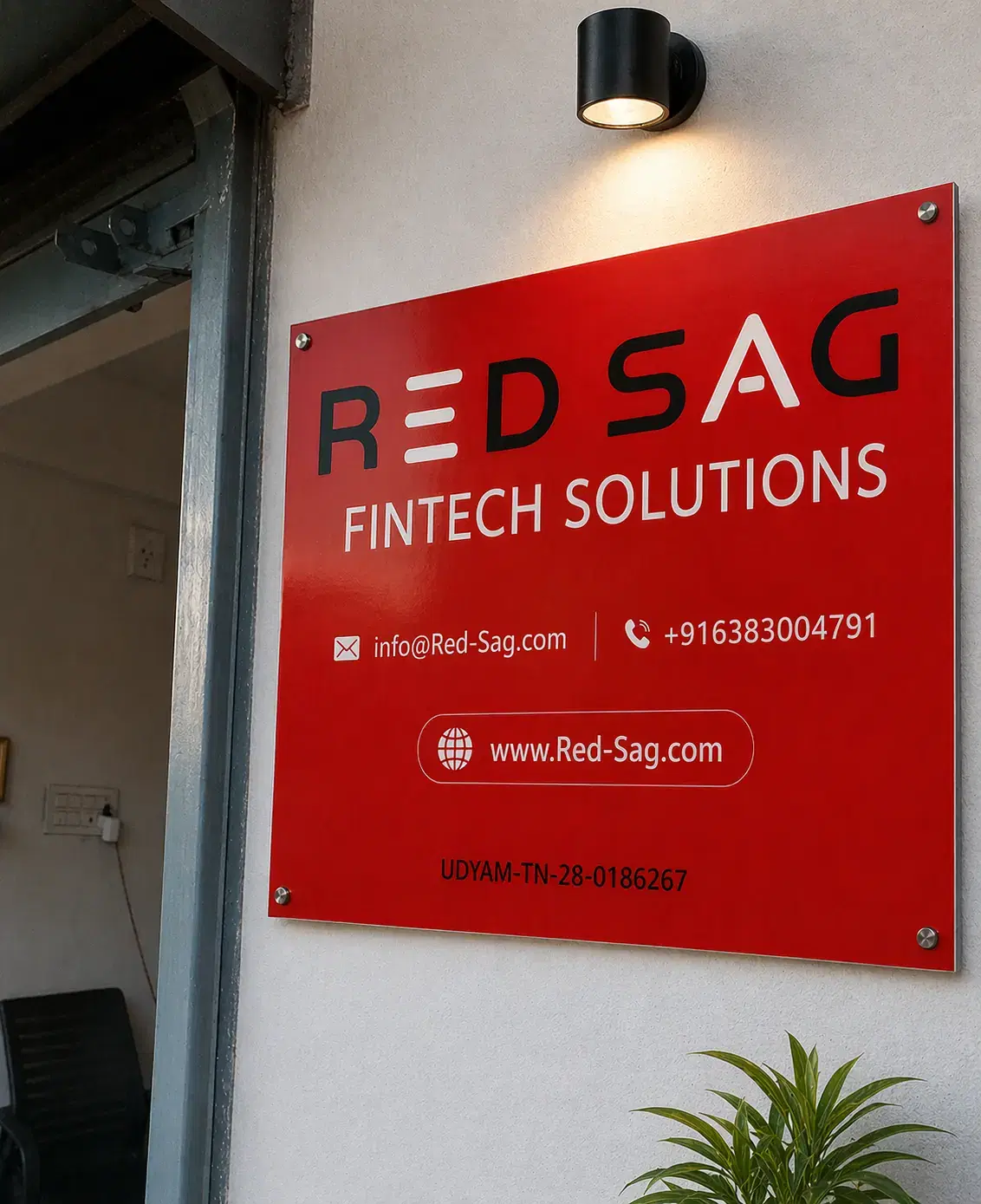
The entrance: look for the red RED SAG board 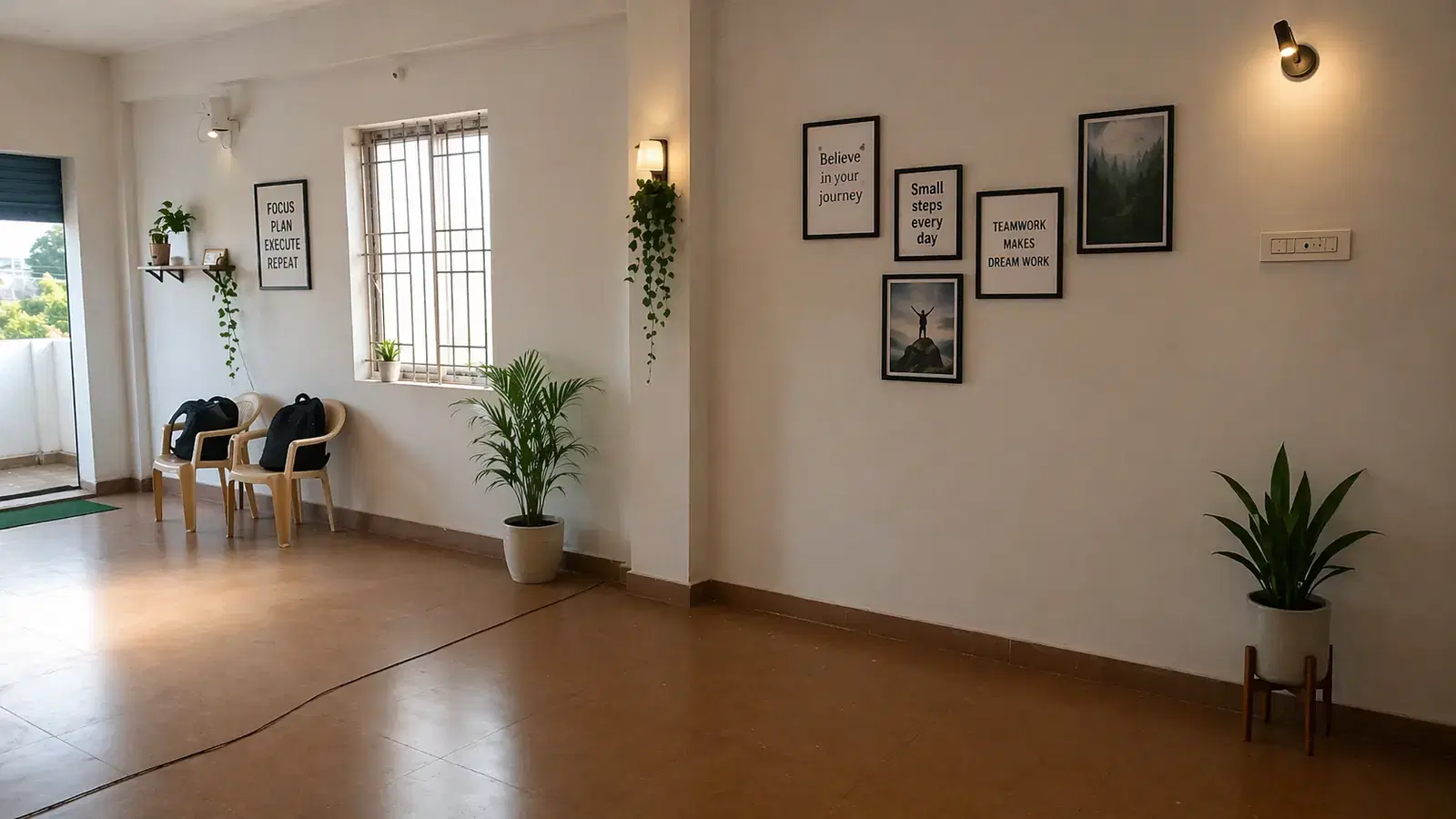
Inside the office: the common area on our floor 
Our building in Arulpuram — you are welcome to visit
Why this matters when you choose a developer
- You can meet the people who build your software, in person or on a video call from this office.
- We are a registered business with a real address, not an anonymous freelancer who can disappear mid-project.
- Contracts, invoices and support come from the same company and the same team, year after year.
- Address
- RED SAG Fintech Solutions, Arulpuram, Tiruppur, Tamil Nadu, India
Open in Google Maps(opens in a new tab) - Office hours
- Mon–Fri, 9 AM–6 PM IST
- Phone
- +91 63830 04791
- info@red-sag.com
- Business registration
- Udyam-registered MSME: UDYAM-TN-28-0186267
Questions about our process
How quickly will you reply to my enquiry?
Within one working day. Our working hours are Mon-Fri: 9AM-6PM IST, so a message sent on a Friday evening or at the weekend gets a reply on the next working day. The reply comes from someone who can talk about the technical side of your project.
Will you sign an NDA before I share my idea?
Yes. Ask for one and we sign it before any confidential discussion. You can send your own NDA or use ours. Until it is signed, you only need to share what you are comfortable sharing.
Do you give fixed-price quotes?
Yes, when the scope is clear enough to price responsibly. If it is not, we say so and give an estimate range, then suggest a short paid discovery sprint or a time-and-material arrangement so you are not paying for our guesswork. The engagement models page explains the options.
How are payments structured?
Fixed-price projects are paid in milestones tied to visible progress, such as kick-off, design sign-off, first working version and go-live. The exact split is written into your proposal before you commit. Dedicated developers and retainers are billed monthly, and hourly work is billed against tracked time.
How often will I see progress?
You get a demo of working software every one to two weeks and short written updates in between. A staging link is available throughout, so you can click through the latest version whenever you like.
Who owns the code and designs?
You do. Once the related invoices are paid, the rights to the custom work transfer to you, and at handover you receive the full source code, credentials and documentation. If you prefer, the code lives in your own repository from the first day.
What happens if bugs appear after launch?
Every project includes a bug-fix period after launch, with the length agreed in your proposal. During it we fix defects in the work we delivered at no extra cost. After it ends, you can choose a maintenance plan or book time as needed.
We are in the US, UK, Australia or Canada. How does the time difference work?
India is ahead of all four, so we plan a daily overlap window for calls and quick questions and keep decisions in writing. UK mornings overlap with our afternoon; for the US, Canada and Australia we agree call slots at the edges of both working days. Work often moves forward while you are offline.
Related pages
Engagement models
Fixed price, dedicated developer, hourly, retainer, white-label or a paid discovery sprint: how each is billed and what it typically costs.
Security and data protection
How we handle your code, credentials and data, and how we build products that are secure by default.
Request a detailed quote
Tell us about your project in more detail and get a written proposal with a fixed price or estimate.
Prefer to talk first? Contact us and we will reply within one working day.
Ready for the first step?
Share a few lines about your idea. We reply within one working day with questions, a rough budget and the next step, with no obligation.
- Reply within one working day
- Fixed-price quote, no obligation
- You own the code and the data
“Great service”
Need a detailed estimate? Request a full quote