 By Moorthi

RED SAG is a software development company. We build software for lenders; we do not lend money, give loans or collect payments from borrowers.
Daily collection, or daily finance, is a small loan repaid in fixed daily instalments, usually collected from the borrower's shop or stall by an agent. A trader might borrow ₹10,000 and repay ₹100 a day for 110 days. It suits people with daily cash income who cannot easily get a bank loan, but the cost can be much higher than it looks, so borrowers should work out the real annual rate.
This guide is for both sides. If you borrow, it shows how to check the real cost and protect yourself. If you lend or are thinking of starting, it explains the routes, the risks, the legal basics and how to keep clean records. It is general information, not legal or financial advice, and rules differ by state.
In this guide (8 sections)
How daily finance works
A lender gives a lump sum to a small trader, vegetable seller, tailor or auto driver. The borrower repays a fixed amount every day, usually for 100 to 120 days. An agent visits each day, collects the cash, records it and gives a receipt or marks a card. The lender earns from the difference between what was lent and what is repaid.
The model works because the borrower earns daily and the instalment is small and regular. It also works because collection is personal: the agent knows the borrower, the shop and the family. That personal link is a strength when it is respectful and a risk when it turns into pressure.
How it works
The daily collection cycle
- 01
Loan given
Borrower receives cash or a bank transfer.
- 02
Daily visit
Agent reaches the shop at the agreed time.
- 03
Collect and receipt
Cash taken, receipt or card marked.
- 04
Agent deposits
Agent hands collections to the office each evening.
- 05
Balance updated
Ledger shows what is paid and pending.
- 06
Loan closed
Final payment made; new loan if repayment is good.
Then the cycle starts again from step 1.
What it really costs the borrower
Daily finance often looks cheap because the headline number is small. Take ₹10,000 repaid as ₹100 a day for 110 days: the total repaid is ₹11,000, so the charge is ₹1,000. That sounds like 10%. But the borrower pays back a little every day, so on average they hold only about half the money for the whole period. Worked out as an annual rate on the reducing balance, this is roughly 60% or more a year.
That does not mean every daily loan is unfair; collection costs are real and the lender carries a lot of risk. It does mean you should always ask for the annual rate and the total repayment before you take the money. Compare it with a bank, an NBFC, a microfinance loan or a self-help group loan if you have those options.
| Loan | Daily instalment | Days | Total repaid | Charge |
|---|---|---|---|---|
| ₹10,000 | ₹100 | 110 | ₹11,000 | ₹1,000 |
| ₹20,000 | ₹200 | 110 | ₹22,000 | ₹2,000 |
| ₹20,000 | ₹190 | 110 | ₹20,900 | ₹900 |
Borrower checklist
If you need a daily loan, use these checks. Keep them simple, and write the answers down.
- Ask for the total you will repay, the number of days and the annual rate in writing.
- Ask about any fee taken at the start, such as a 'file charge' deducted from the loan.
- Make sure you get a receipt or a stamped card for every payment.
- Ask what happens if you miss a day or two, and what penalty applies.
- Check that the lender is licensed under your state's money lending law, or is a regulated NBFC.
- Never give blank signed papers or cheques, and never give original documents you cannot afford to lose.
- If an agent threatens or abuses you, record the details and complain to the lender; if it continues, go to the police, and use cybercrime.gov.in or 1930 for online fraud.
- Report unauthorised lenders at the RBI Sachet portal, sachet.rbi.org.in.
Starting a daily collection business
Start with the legal base. Many states regulate money lending and require a licence; a company lending as a business at scale may need RBI registration as an NBFC. Ask a local lawyer or CA which applies, because lending without a licence can lead to penalties and leaves you with no legal backing in a dispute. Never take deposits from the public without proper authorisation.
Then decide your capital, your area and your limits. Start with a small area where agents can visit on foot or by two-wheeler. Fix a maximum loan size, a standard tenure and a clear rate. Test the business with a few agents before adding more. Keep your own money separate from the lending fund.
- Licence or registration for your state and scale.
- Capital for loans plus a reserve for bad debts.
- A clear rate card, loan size limit and tenure.
- KYC for each borrower: identity, address, shop or work proof and a photo.
- A written agreement and a printed or digital receipt for every payment.
- Agents who are trained, identified and paid fairly.
Managing agents and cash
The biggest operating risk in daily finance is cash in the hands of agents. A missed deposit, a wrong entry or a dishonest agent can quietly cost you thousands. Set simple controls: each agent has a fixed route and list; the borrower receives a receipt for every payment; the agent deposits the day's total each evening against a printed or digital sheet; and someone else reconciles the sheet to the ledger.
Pay agents in a way that rewards good collection and does not push them to pressure borrowers. A bonus linked only to 100% collection can encourage harassment; a mix of base pay, a collection target and a quality check on borrower complaints works better.
Handling missed payments fairly
In daily finance, one missed day is normal: illness, rain, a festival or a slow day. Decide a rule, such as the borrower can catch up within a few days without penalty. If someone misses a week, the agent should visit, listen and report to the office, which decides on a plan such as an extended tenure or a smaller daily amount.
Do not threaten, shame or visit a borrower's home or family to pressure them. Regulated lenders are bound by RBI's fair practices; everyone is bound by the law against harassment and intimidation. A borrower who feels respected will usually find a way to repay.
Records, reports and where software helps
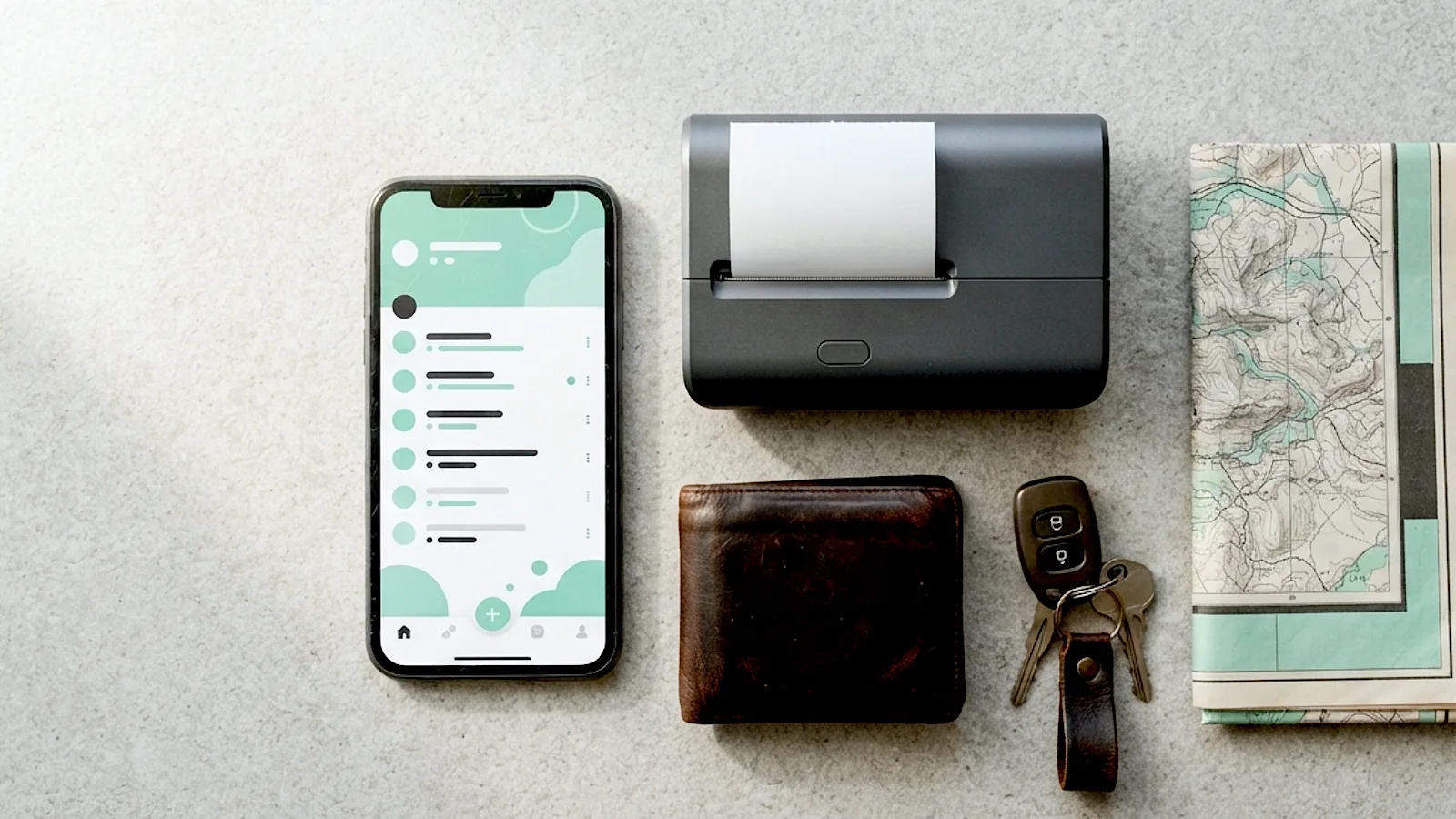
Paper cards and notebooks are the main source of errors in daily finance. Entries are missed, balances are wrong, and when a borrower disputes the amount, nobody can prove it. A daily collection app lets each agent see their route, record a payment in seconds, issue a receipt and sync with the office. The office sees collections by agent, by area and by day, and sees which loans are falling behind.
Good software also helps the borrower: a clear statement of what has been paid and what is left means fewer arguments. Useful features include route lists, offline entry for areas with weak signal, automatic receipts, an end-of-day cash match, overdue lists and loan closing reports.
If you run a daily finance business
Your business is trusted when your records are right and your agents are respectful. RED SAG builds daily collection software and loan management systems for lenders in India, including agent apps and reports. If you would like to see how it could fit your routes, we are happy to talk, and we will tell you honestly if your current setup already does the job.
Frequently asked questions
What is a daily collection loan?
It is a small loan repaid in fixed daily instalments, often collected by an agent from the borrower's shop or stall. A typical example is ₹10,000 repaid as ₹100 a day over about 110 days. It is common among street vendors and small traders who have daily income.
How do I calculate the real interest rate on a daily loan?
Add up the total you will repay, subtract the amount you actually receive after fees, and note that you repay gradually through the term. Because you pay a little every day, the true annual rate on the balance is much higher than the simple percentage. Ask the lender for the annual rate in writing, or ask a CA or bank officer to calculate it.
Is a daily finance business legal in India?
Lending as a business is legal when done under the right framework: a state money lending licence where the state requires one, or registration as an NBFC with RBI for larger operations. Rules differ by state, so check with a local lawyer. Taking public deposits without authorisation is illegal.
What is a daily collection app?
It is software, usually a mobile app for agents and a dashboard for the office, that lists each agent's route, records payments, issues receipts, tracks balances and shows overdue loans. It replaces paper cards and notebooks and reduces errors and disputes.
How can I stop agents from misusing cash?
Give borrowers a receipt for every payment, make agents deposit each evening against a daily sheet, have another person reconcile collections to the ledger, and rotate routes now and then. A digital record with timestamps makes gaps easy to spot.
What should I do if a collection agent harasses me?
Write down what happened, with dates and names, and complain to the lender's office. Regulated lenders must follow fair practices. If threats continue, go to the police, and report online fraud at cybercrime.gov.in or on 1930. Report illegal lenders at sachet.rbi.org.in.
Can daily collection work with UPI instead of cash?
Yes, and it reduces cash risk. A borrower can pay by UPI to the lender's account, and the app records it against the loan. Many traders still prefer cash, so a good system supports both and issues a receipt either way.